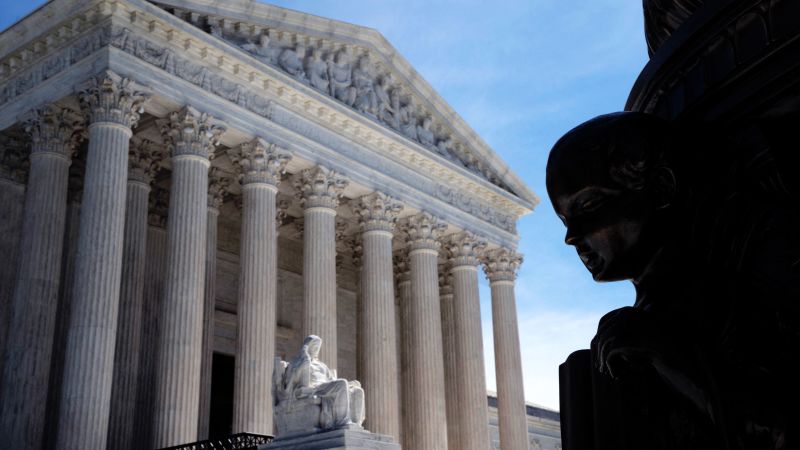
With Election Day rapidly approaching, the Supreme Court has introduced a fresh layer of uncertainty into the midterm landscape. On Friday, the justices cleared the way for states to utilize a Trump administration backed tool designed to identify noncitizens on voter rolls. While preventing illegal voting is a universal goal, civil rights advocates warn that introducing these measures so close to the election creates a significant risk that eligible American citizens could be mistakenly flagged and stripped of their right to vote.
The tool at the center of the controversy is known as SAVE, or Systematic Alien Verification for Entitlements. Originally intended to verify immigration status for those applying for government benefits, the system was recently overhauled and linked to vast amounts of federal data, including Social Security records. This transformation allows election officials to cross reference massive lists of registered voters against federal databases to root out potential noncitizens. However, critics point out that such audits are often riddled with errors, citing instances in Texas where naturalized citizens were wrongly identified as ineligible after being processed through the system.
This latest ruling follows a series of judicial decisions that have left voters in limbo across several states. From gutting portions of the Voting Rights Act to overseeing contentious redistricting battles, the high court’s influence remains pervasive. In Missouri, for example, disputes over congressional maps persist even as ballots have already been printed and mailed. By allowing the use of SAVE now, the court has reopened a debate over how aggressively states can purge their rolls without violating federal laws that typically prohibit mass removals shortly before an election.
Despite claims from former President Trump regarding widespread noncitizen voting fraud, experts maintain that such occurrences are exceedingly rare in federal elections. Nevertheless, the administrative push continues via lawsuits and demands for unredacted voter lists from various states. As these legal battles play out in real time, the primary concern shifts toward the individual voter who may arrive at the polls only to find they have been purged due to a technical glitch in a federal database they never knew existed.